
Complete IVF blood tests are the foundation of your fertility treatment success. Your in vitro fertilisation experience starts with diagnostic evaluations that give vital information about fertility factors and ways to optimise your treatment protocol. Blood tests help fertility specialists understand your reproductive health and create a treatment plan just for you. These tests check key reproductive markers, including FSH, LH, Estradiol, and AMH. Your doctor uses ovarian reserve testing to determine your egg quantity and quality. The medical team uses these results to decide the correct medication dosage and develop a strategy to stimulate your ovaries during treatment.
Both partners need screening beyond hormone tests. Tests for HIV, hepatitis B, chlamydia, rubella, and other conditions are required. This screening will give a safer IVF process for you, your partner, and your future baby. A semen analysis checks your partner’s sperm count, motility, and morphology. These results show whether the sperm suits the IVF procedure or needs extra treatment.
Each test has a specific purpose that helps you learn about your fertility status and treatment choices. This piece explores the blood tests you need before IVF treatment, their importance, and their direct impact on your treatment plan and success chances.
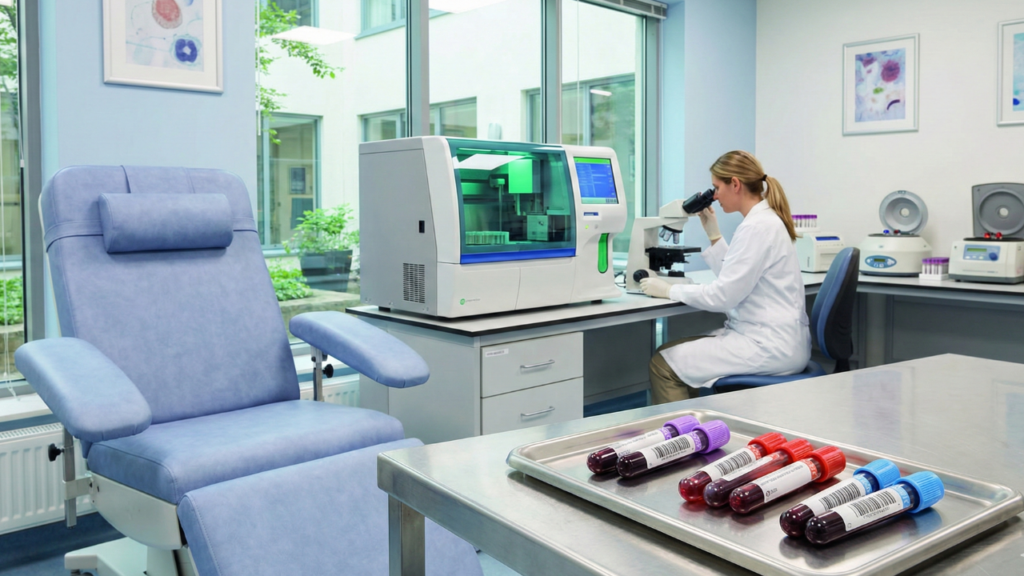
Why Blood Tests Are Critical Before IVF
Blood tests are the lifeblood of successful IVF treatment. They give vital insights that regular physical examinations can’t show. These tests reveal essential information about your reproductive health. Your fertility specialists use them to spot challenges and create a treatment plan that works best for your conception chances.
Understanding IVF success factors
Your age stands out as one of the strongest predictors of IVF success. Women under 35 years old have better chances of getting pregnant through IVF. The success rates drop for women over 40. Live birth rates show this age-related pattern clearly – they fall from about 46% in women under 35 to 22% at age 38. Your height, weight, previous births, pregnancy count, and health conditions all play a role in IVF outcomes. Blood tests help assess these factors by checking your hormone levels. Anti-Müllerian Hormone (AMH) testing shows your ovarian reserve – the number of eggs available for fertilisation. Higher AMH levels often mean more follicles, which could lead to multiple eggs during stimulation.
Blood tests can spot subtle hormone imbalances, too. High prolactin levels might stop conception. Thyroid problems can affect ovulation and pregnancy. Your fertility specialist can fix these issues before starting IVF, which helps improve your chances. Some blood markers might predict IVF outcomes. Studies show that women who got pregnant during IVF had a lower platelet-to-lymphocyte ratio (PLR). Scientists need more research, but these findings hint that body inflammation affects fertility outcomes.
How blood tests guide treatment planning
Your blood test results are the foundations of your personal IVF treatment plan. Specialists look at these reports along with your age, medical history, and health details to make wise choices about your care. They create a plan just for you instead of using a standard approach. Hormone levels help decide your medication type and dose. Low AMH levels might mean you need more fertility medications to boost egg production. High AMH levels could mean lower doses to prevent ovarian hyperstimulation syndrome (OHSS), a possible treatment complication.
Blood test results help necessary time for IVF steps like egg retrieval and embryo transfer. This matches everything with your body’s natural cycle, so eggs mature at the right time. Without good blood work, specialists don’t deal very well with timing these procedures. Blood tests can find hidden conditions like polycystic ovary syndrome (PCOS), thyroid problems, or high prolactin levels. Fixing these issues before or during IVF treatment can boost your chances. Getting your thyroid working right or lowering prolactin levels might help your ovulation return to normal. Each IVF patient needs their own approach based on their reproductive health. Blood tests provide the facts needed for this personal plan. They’re essential to IVF success. Your fertility specialist uses these results to pick the best methods, prepare for challenges, and give you the best chance of having a healthy baby.
Hormonal Blood Tests to Assess Fertility
Blood hormone tests are the foundation of fertility assessment before IVF treatment. These tests give a complete picture of your reproductive system and help your fertility specialist create the right treatment plan for you.
FSH, LH, and Estradiol Levels on Day 2–5
Your menstrual cycle and ovulation depend on a delicate balance of follicle-stimulating hormone (FSH), luteinising hormone (LH), and estradiol. Doctors measure these hormones between days 2-5 of your cycle. This timing gives the clearest view of how your ovaries work because hormone levels are at their baseline. FSH helps your ovaries grow follicles. Early cycle measurements show your egg quantity and ovarian function. Higher FSH levels on day 2 or 3 often mean your ovaries need to work harder to grow follicles. This could point to lower ovarian reserve. LH makes you ovulate and supports corpus luteum growth after egg release. If your LH levels aren’t normal, you might have ovulation issues like polycystic ovary syndrome (PCOS).
Your ovaries produce estradiol, the strongest form of oestrogen. Doctors check it along with FSH and LH. It affects how your ovaries respond and gets your uterine lining ready. Research shows that estradiol levels on certain days can predict IVF success. Women with levels around 31.9 pg/mL on day 2 and 1,996.46 pg/mL on trigger day had better pregnancy rates than those with lower levels.
AMH for Ovarian Reserve Estimation
Anti-Müllerian Hormone (AMH) testing has become vital in fertility assessment. AMH is special because doctors can measure it any day of your cycle—even if you take birth control pills. This makes it a reliable tool for fertility specialists. Small cells around your ovaries’ developing follicles make AMH. Your AMH levels show how many eggs you have left. Levels above 1.0 ng/mL usually mean usual ovarian reserve, while levels below 1.0 ng/mL might mean lower ovarian reserve. This helps your doctor predict how well you’ll respond to ovarian stimulation during IVF.
Prolactin and TSH for Hormonal Balance
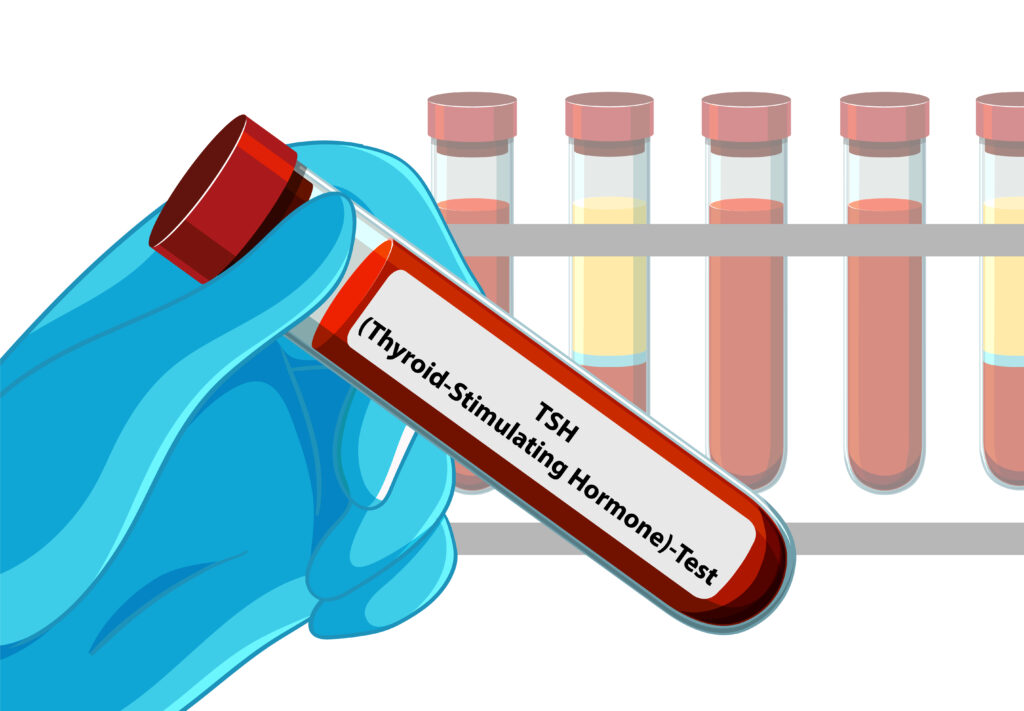
Checking prolactin and thyroid-stimulating hormone (TSH) helps find hormone imbalances that might affect conception. Your pituitary gland makes prolactin, which helps produce milk. High prolactin can stop ovulation and cause fertility problems. Normal prolactin starts at 102 mIU/L. Levels above 496 mIU/L might lower your chances of getting pregnant. Your thyroid function plays a significant role in fertility. Studies show TSH levels can predict IVF fertilisation rates. High TSH levels often lead to poor fertilisation. Finding and fixing thyroid problems before IVF can improve your success rates. These hormone tests give your fertility specialist the complete information needed to create your personal treatment plan, set the proper medication doses, and time your IVF cycle for the best results.
Infectious Disease and Immunity Screening
Your IVF trip must include screening for infectious diseases to protect everyone involved in your treatment. These essential tests help identify potential risks that could affect your treatment outcomes and future pregnancy.

HIV, Hepatitis B/C, and Syphilis Testing
Blood tests for HIV, hepatitis B, hepatitis C, and syphilis are required for you and your partner. You need to complete these tests 3 months before starting your first IVF treatment and every two years after that. The tests matter because these infections can spread through assisted reproductive technologies and from mothers to their babies. The good news is that HIV-positive people on antiretroviral therapy have no risk of transmitting HIV through sex, according to studies. Treatment protocols also exist for hepatitis and syphilis patients to undergo IVF safely. Your fertility clinic will connect you with specialists who can treat these conditions before starting your IVF cycle if you test positive.
Rubella and CMV Immunity Check
Checking your immunity to rubella (German measles) and cytomegalovirus (CMV) is vital before IVF. You should get Rubella IgG serology testing before pregnancy. This test is critical because rubella infection during pregnancy can cause miscarriage or severe congenital disabilities, especially in the first trimester. CMV infection rates have stayed stable over the last several years, while rubella cases continue to decline. In spite of that, knowing your immunity to both viruses helps plan your treatment better.
Why infection screening matters for embryo safety
Early detection of infections will give a safer IVF process for you, your partner, and your future baby. Many fertility clinics use specific protocols to handle specimens from patients with viral infections. They often use dedicated equipment or special time slots to process biological materials. Yes, it is a complete screening approach that shows commitment to patient safety. Recent studies found no significant differences in pregnancy and baby outcomes between properly managed hepatitis B, hepatitis C, or syphilis patients and uninfected groups. This shows that you can achieve successful IVF outcomes with proper precautions and treatments, even with infectious disease diagnoses.
Additional Health and Genetic Blood Tests
Your IVF success depends on several tests beyond hormonal and infectious disease screening. These tests will give you valuable information about your nutritional and genetic status.
Vitamin D and Iron Level Assessment
Your vitamin D levels can make a big difference in IVF outcomes. Research shows women who had higher preconception vitamin D levels (56.4 nmol/L) got pregnant more often than those with lower levels (47.9 nmol/L). Your chances of conceiving through IVF double when you maintain sufficient vitamin D levels (≥50 nmol/L). Iron stores are vital for reproductive health. Studies show that treating iron deficiency leads to 3.2 times higher live birth rates and reduces miscarriage risk by 68%. Your doctor will check your iron stores through serum ferritin testing, which gives a better picture than standard haemoglobin tests.
Blood Sugar and HbA1c for Diabetes Risk
Blood sugar control plays a key role in fertility outcomes. The HbA1c test measures your average blood glucose over 2-3 months. Research reveals that women with fertility issues had higher HbA1c levels (5.57%) compared to fertile women (5.32%). A 1% rise in HbA1c leads to a 40% higher risk of infertility. Women planning IVF should aim for HbA1c levels below 6.5%. This target helps improve conception chances and reduces pregnancy complications.
Genetic Carrier Screening (if applicable)
Genetic carrier screening helps identify if you carry genes for inherited disorders. This test looks at autosomal recessive conditions—where both partners must carry the same gene to affect their child, and X-linked conditions. Expanded carrier screening can check hundreds of genetic conditions regardless of ethnicity before conception. Couples who test positive for the same condition can opt for preimplantation genetic testing during IVF to select unaffected embryos.
Blood Group and Rh Factor Compatibility
Blood group tests detect potential Rh incompatibility issues. Your immune system might develop antibodies against foetal blood cells if you’re Rh-negative (15% of people) and pregnant with an Rh-positive foetus. Doctors prevent complications by giving Rh immune globulin (RhoGAM) injections during pregnancy. Your blood type doesn’t affect IVF success rates. Still, early detection and treatment of Rh incompatibility will ensure the best outcomes for you and your baby.
How Test Results Shape Your IVF Plan
Test results change abstract numbers into an individual-specific fertility roadmap. Fertility specialists evaluate your blood work and create a custom treatment approach that maximises your success chances.
Customising medication based on hormone levels
Your AMH and antral follicle count (AFC) results determine your medication protocol. These markers are the foundations of predicting ovarian response. Your doctor might prescribe higher FSH doses ranging from 225 to 375 IU if your AMH levels indicate low ovarian reserve. Your specialist will select appropriate gonadotropin doses with high ovarian reserve to avoid ovarian hyperstimulation syndrome (OHSS).
Deciding on ICSI or donor options
Semen analysis findings help doctors choose between standard IVF and ICSI. Your doctor may recommend ICSI when the sperm count is low or the motility is poor. This technique involves injecting a single sperm directly into each egg. ICSI boosts fertilisation rates to approximately 70% while conventional IVF achieves 60%.
Timing the IVF cycle based on test outcomes
Blood test results shape vital timing decisions throughout your cycle. Your doctor monitors hormone levels through regular blood tests during stimulation and adjusts medication precisely. The egg retrieval ended up being scheduled 34-36 hours after human chorionic gonadotropin injection. This timing helps collect mature eggs.
Conclusion
Blood tests are the lifeblood of successful IVF treatment. They lay the groundwork for your entire fertility process. In this piece, we looked at significant pre-IVF assessments that give vital information about your reproductive health and shape your treatment protocol. These detailed evaluations tell us more than just numbers – they reveal your body’s unique fertility blueprint. FSH, LH, estradiol, and AMH measurements are vital parts of hormonal testing. They help us learn about your ovarian function and egg quantity. Each test builds your fertility profile in a specific way. They show your ovarian reserve and spot potential hormonal imbalances that might go unnoticed. AMH testing helps your doctor predict how well you might respond to ovarian stimulation during IVF. You can take this test on any day of your cycle.
On top of that, infectious disease screening keeps everyone safe during your treatment. Tests for HIV, hepatitis B, hepatitis C, and syphilis protect you, your partner, and your future baby. Your immunity to rubella and CMV is are great way to get valuable information for treatment planning. These tests help prevent possible complications during pregnancy. Standard evaluations aside, nutritional and genetic testing give us more insight into your fertility status. Vitamin D and iron levels directly affect your IVF success chances. Blood sugar control substantially affects fertility outcomes. While optional, genetic carrier screening shows if you carry genes for certain inherited disorders. This knowledge helps you make informed decisions during your fertility trip.
Your blood test results ended up turning abstract numbers into an individual-specific fertility roadmap. Fertility specialists use these findings to set medication dosages, choose between standard IVF or ICSI, and time your treatment cycle just right. This tailored approach gives you the best shot at conception by addressing your specific needs instead of using a one-size-fits-all protocol. Knowing about these tests helps strengthen your role in fertility treatment. The process might seem daunting at first, but each assessment brings you closer to having a baby. With detailed knowledge about your reproductive health, you and your fertility specialist can create the most effective treatment plan for your situation.
Successful IVF needs thorough preparation and personalised care. The tests we discussed give us a complete picture of your fertility status and the information needed to optimise your treatment. Your fertility specialist can help guide you through infertility challenges and boost your chances of bringing home a healthy baby by carefully analysing these results and making the right interventions.
Key Takeaways
Understanding your blood test results before IVF empowers you to take an active role in your fertility journey and helps create the most effective personalised treatment plan.
- Hormonal blood tests (FSH, LH, estradiol, AMH) reveal your ovarian function and egg quantity, directly determining medication dosages and treatment protocols.
- Infectious disease screening for HIV, hepatitis, and syphilis protects you, your partner, and your future baby throughout the IVF process.
- Vitamin D levels above 50 nmol/L double your IVF conception chances, whilst treating iron deficiency increases live birth rates by 3.2 times.
- AMH testing predicts ovarian response to stimulation. It can be measured any day of your cycle, making it invaluable for treatment planning.
- Blood test results guide critical decisions, including ICSI versus standard IVF, medication timing, and egg retrieval scheduling for optimal success rates.
These comprehensive evaluations transform abstract numbers into your personalised fertility roadmap, ensuring your treatment addresses your body’s unique characteristics rather than following a generic approach.
FAQs
Q1. What are the most important blood tests before starting IVF? The key blood tests before IVF include hormonal assessments (FSH, LH, estradiol, and AMH), infectious disease screening (HIV, hepatitis B/C, syphilis), and tests for vitamin D levels, iron stores, and blood sugar. These provide crucial information about your fertility status and overall health.
Q2. How does AMH testing help in IVF treatment planning? AMH (Anti-Müllerian Hormone) testing helps estimate your ovarian reserve and predict how you might respond to ovarian stimulation. It can be measured on any day of your menstrual cycle, making it a versatile and valuable tool for fertility specialists in determining appropriate medication dosages and treatment protocols.
Q3. Can I undergo IVF if I test positive for an infectious disease? Yes, you can still undergo IVF if you test positive for certain infectious diseases. However, you’ll need to receive appropriate treatment and follow specific protocols to ensure the safety of all involved. Your fertility clinic will work with specialists to manage your condition before and during IVF treatment.
Q4. How do vitamin D levels affect IVF success rates? Vitamin D levels significantly impact IVF outcomes. Women with sufficient vitamin D levels (≥50 nmol/L) have approximately double the chances of conceiving through IVF compared to those with lower levels. Your doctor may recommend supplementation if your levels are low.
Q5. Why is genetic carrier screening recommended before IVF? Genetic carrier screening helps identify if you or your partner carries genes for inherited disorders. If both partners test positive for the same condition, you may opt for preimplantation genetic testing during IVF to select unaffected embryos, reducing the risk of passing on genetic conditions to your child.
Disclaimer: This article is for informational purposes only and does not constitute medical advice. Always consult with a qualified healthcare provider for personalised guidance regarding fertility treatments