Did you know that simple lifestyle changes can boost IVF success rates by a lot? Your BMI plays a key role – women with BMI above 30 or below 18.5 see lower IVF success rates. Research suggests keeping BMI below 23.0 kg/m2 gives the best results.
Your daily habits and food choices shape your fertility outcomes. Women who eat a Mediterranean diet have better IVF success rates. Taking folic acid supplements helps improve reproductive outcomes. Quality sleep of 7-9 hours each night helps your overall health and fertility. Recent studies show that people who sleep longer face fewer pregnancy complications.
IVF treatment needs more than medical procedures. Your body must have enough vitamins, nutrients, and minerals to produce healthy sperm and eggs. Stress management helps keep cortisol levels in check and builds emotional strength during treatment. Regular exercise benefits your health and can boost your chances of IVF success. This detailed guide shows you how diet and lifestyle changes can maximise your IVF success. You’ll find proven ways to support your fertility through better nutrition and sleep that work at every stage of your experience.

Optimising Your Diet for IVF Success
What you eat plays a big role in your fertility experience. Good nutrition creates the perfect environment to conceive. It helps balance your hormones and boosts the quality of reproductive cells. Here’s how you can adjust your diet to make your IVF more successful.
Fertility-boosting foods to include daily
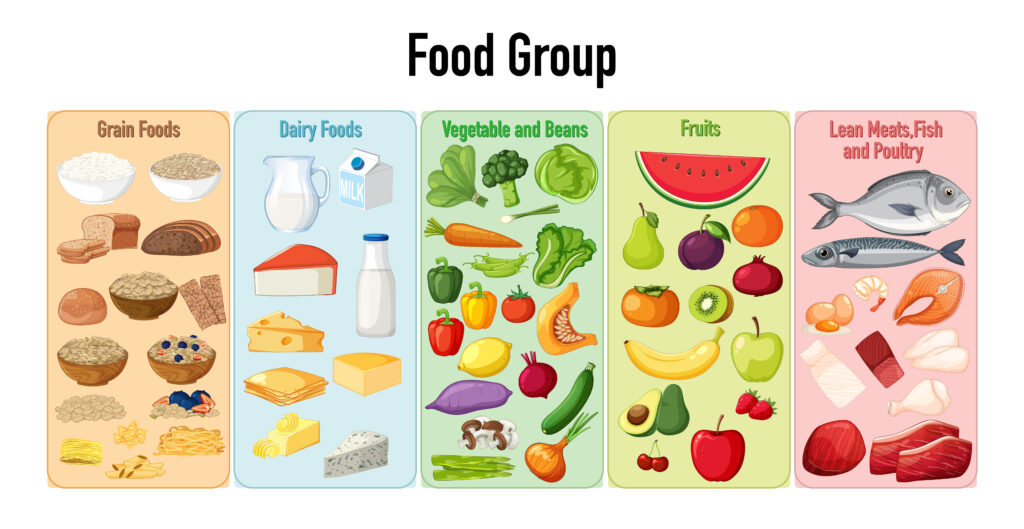
Your diet should focus on nutrient-rich whole foods that help reproductive health. Leafy greens such as spinach and kale are packed with folate. This helps improve egg quality and creates a better uterine lining for embryo implantation. Good fats from avocados, nuts, seeds, and olive oil help balance hormones and lower inflammation. Protein from eggs, lean meats, and legumes helps control insulin levels and makes eggs healthier. Whole grains like quinoa, brown rice, and oats work better than refined carbs to keep blood sugar steady. Berries, citrus fruits, and pomegranates protect reproductive cells with their antioxidants.
Foods to avoid during IVF treatment
Some foods can hurt your IVF success. Processed foods with preservatives and hormone residues can reduce reproductive rates. Sugar-heavy carbonated drinks might throw your hormones off balance. Alcohol makes it harder for eggs to develop into viable embryos. Too much caffeine raises miscarriage risk and can prevent successful implantation, so you should limit intake to less than 200mg daily. Raw eggs, meat, and fish might cause food poisoning that could harm developing embryos.
Hydration and its effect on fertility
Water matters more than you might think. Good hydration helps balance your hormones and keeps cervical mucus healthy – both vital for conception. It also helps blood flow better to reproductive organs, so they get enough nutrients and oxygen.
The Mediterranean diet approach for IVF
The Mediterranean diet works wonders for IVF results. Research shows women who stuck to this diet had much better outcomes. They saw higher clinical pregnancy rates (50.0% vs 29.1%) and live birth rates (48.8% vs 26.6%) compared to others. This diet includes lots of fruits, vegetables, legumes, whole grains, fish, and olive oil. It keeps dairy products and meat minimal.
Meal timing and portion control
Regular, balanced meals help keep your blood sugar steady and hormones in check. No specific meal schedule works best for IVF, but eating at consistent times helps your body’s rhythm. Watch your portions to maintain a healthy BMI. Being either underweight or overweight can affect your fertility results.
Essential Lifestyle Modifications
Lifestyle factors are the foundations of IVF readiness. The right adjustments can improve your treatment outcomes and overall well-being.
Maintaining a healthy BMI
Your body weight directly affects IVF success rates. Studies confirm that women with a BMI above 28 kg/m² see lower pregnancy outcomes. A BMI between 18.5-24.9 creates the best environment for conception. Being underweight or overweight can disrupt your hormonal balance and affect ovulation, which reduces fertility potential.
Exercise recommendations before and during IVF
Light physical activity helps your fertility trip through better circulation and less stress. You should choose low-impact exercises like walking, swimming, yoga, or pilates for about 30 minutes each day. In spite of that, you need to avoid hard activities like HIIT, running, or heavy weightlifting. You must stop all exercise during egg retrieval week and for two weeks after embryo transfer.
Sleep quality and fertility connection
Without doubt, sleep patterns affect IVF outcomes. Research shows women who don’t sleep well (PSQI > 5) have about 50% lower chances of pregnancy during treatment. Evening chronotype hurts clinical pregnancy and live birth rates. You need 7-8 hours of quality sleep each night, as too little (<6 hours) or too much (>9 hours) sleep affects your hormonal balance badly.
Stress management techniques for IVF patients
High stress levels can interfere with your reproductive processes. Adding relaxation practises helps a lot. You could try:
- Mindfulness meditation and deep breathing exercises
- Gentle yoga or walking to release tension
- Professional counselling for emotional support
- Building a support network with others on the same trip
Also Read: What Really Determines IVF Success Rates in India? New Research Explains
Harmful Substances to Avoid
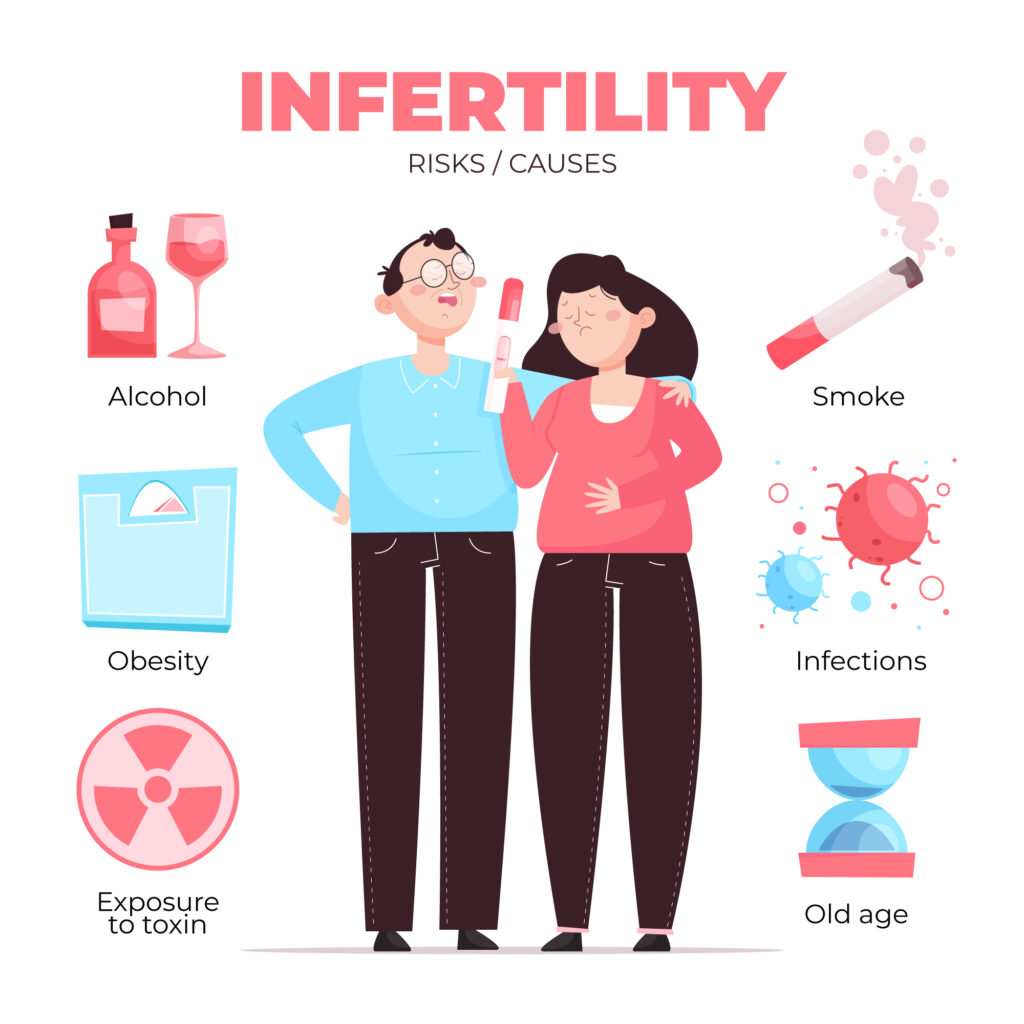
Your IVF success rates can improve substantially by avoiding certain substances. A vital part of your fertility journey involves identifying and eliminating harmful elements while building positive habits.
Impact of smoking on egg and sperm quality
Smoking damages reproductive health for both partners. Women smokers lose eggs faster and face menopause 1-4 years earlier than non-smokers. Men who smoke have lower sperm counts, reduced motility, and more abnormally-shaped sperm. The data shows smokers need twice as many IVF cycles to achieve conception compared to non-smokers.
Alcohol consumption and IVF outcomes
Alcohol intake, even in moderate amounts, reduces IVF success rates. Women who drink more than seven standard drinks weekly see a 7% decreased pregnancy rate after fertility treatments. Men drinking similar amounts face a 9% reduction in live birth rates. Couples who both consume at least four drinks weekly have 21% lower chances of achieving a live birth.
Caffeine limitations during treatment
Research indicates caffeine doesn’t substantially affect IVF outcomes. Still, experts advise limiting intake to 200mg daily – about two cups of coffee. This becomes especially important in early pregnancy to lower miscarriage risk.
Environmental toxins and endocrine disruptors
Endocrine-disrupting chemicals (EDCs) disrupt hormone function and affect fertility. You’ll find these in plastic containers, pesticides, and personal care products. BPA in plastics, phthalates in cosmetics, and certain pesticides pose specific concerns as they can reduce ovarian reserve and implantation rates.
Supplements and Alternative Approaches
Beyond diet and lifestyle changes, targeted supplements are a great way to get better IVF outcomes. Research backs several supplements and complementary approaches that could boost your chances of success.
Vitamins and minerals that support fertility
Your prenatal vitamin journey should start at least 30 days before your IVF cycle. These vitamins increase folic acid in your body and protect against birth defects. Your vitamin D levels need checking too, since proper supplementation helps reduce early pregnancy developmental problems. Selenium and zinc play vital roles – selenium supports embryo development, while zinc deficiency could mean taking longer to conceive.
CoQ10 and its role in egg quality
CoQ10 acts as a powerful antioxidant that boosts mitochondrial function and energy production in eggs. Studies show that CoQ10 supplementation (200-600mg daily) improves ovarian response to stimulation and boosts egg and embryo quality by a lot. Women with diminished ovarian reserve see better results with 600mg daily for 60 days.
Omega-3 fatty acids benefits
Fish oil supplements contain omega-3 fatty acids that help embryo development. A newer study published in shows that omega-3 intake boosts women’s pregnancy rates during IVF, with combined odds ratios of 1.74 for women getting fertility treatment. Women who took omega-3 supplements were 1.51 times more likely to conceive than those who didn’t.
Acupuncture and other complementary therapies
Acupuncture done 25 minutes before embryo transfer shows better IVF outcomes. This works by increasing blood flow to the uterus, reducing stress, and regulating hormone levels. Research shows women who got acupuncture had higher biochemical, clinical, and ongoing pregnancy rates compared to those who didn’t.
When to start supplements before IVF treatment
Starting supplements three months before your IVF procedure gives you the best results. This timeline lets supplements properly affect the cells used in treatment. Taking supplements daily matters more than occasional high doses.
Working with your doctor on supplement choices
The FDA doesn’t regulate supplements for quality and purity like medications, so you should review your choices with your doctor. Look for NSF International certified supplements to ensure safety. This certification matters because supplement quality varies between brands.

Conclusion
A successful IVF experience needs more than just clinical treatments. This piece shows you how nutrition, lifestyle habits, and supplements work together. These elements create the best environment for conception. Your food choices can affect fertility outcomes. The Mediterranean diet proves beneficial, as research shows higher pregnancy and live birth rates for women who follow it. Your body also needs proper hydration to maintain hormonal balance and reproductive health.
Your weight plays a crucial role in IVF success. A BMI between 18.5-24.9 creates the best foundation for conception. Light exercise helps improve circulation and lower stress levels. You need 7-8 hours of quality sleep each night to improve your treatment outcomes. Of course, removing harmful substances makes a huge difference in your fertility experience. You and your partner should avoid smoking and alcohol. These habits can lower pregnancy rates and lead to extra treatment cycles. You should also limit your exposure to environmental toxins that can disrupt your endocrine system.
Starting targeted supplements at least three months before IVF can improve your success chances. CoQ10, omega-3 fatty acids, and essential vitamins help egg quality and embryo development. Adding therapies like acupuncture shows good results when combined with regular treatments. Note that small, steady changes bring the best results. Your IVF experience needs patience and a positive mindset along with these proven changes. The path might feel tough at times, but these adjustments build a strong foundation to help make your dream of parenthood real.
Key Takeaways
Making strategic diet and lifestyle changes can significantly boost your IVF success rates, with evidence showing measurable improvements in pregnancy outcomes when these modifications are implemented consistently.
- Maintain optimal BMI between 18.5-24.9 – Women with BMI above 28 experience significantly decreased pregnancy rates during IVF treatment
- Follow Mediterranean diet patterns – Studies show 50% clinical pregnancy rates versus 29% for those with lower adherence to this eating approach
- Start supplements 3 months before treatment – CoQ10 (200-600mg daily) and omega-3s improve egg quality and embryonic development significantly
- Eliminate smoking and limit alcohol completely – Smokers require twice as many IVF cycles, whilst alcohol reduces pregnancy rates by 7-21%
- Prioritise 7-8 hours quality sleep nightly – Poor sleep quality (PSQI >5) reduces pregnancy chances by approximately 50% during treatment
- Begin gentle exercise routine early – Walking, swimming, or yoga for 30 minutes daily improves circulation and reduces stress levels
The key to IVF success lies in consistent implementation of these evidence-based changes at least three months before treatment begins, creating the optimal physiological environment for conception and healthy pregnancy outcomes.
FAQs
Q1. What dietary changes can improve IVF success rates? Adopting a Mediterranean-style diet rich in fruits, vegetables, whole grains, lean proteins, and healthy fats can significantly boost IVF outcomes. Studies show that women following this diet have higher clinical pregnancy and live birth rates compared to those with lower adherence.
Q2. How does body weight affect IVF treatment outcomes? Maintaining a healthy BMI between 18.5-24.9 is crucial for optimal IVF success. Women with a BMI above 28 kg/m² experience significantly decreased pregnancy rates during treatment. Both underweight and overweight conditions can disrupt hormonal balance and affect ovulation.
Q3. Are there any supplements that can enhance egg quality for IVF? Yes, certain supplements can improve egg quality. CoQ10 (200-600mg daily) has been shown to enhance ovarian response and egg quality. Omega-3 fatty acids also support embryonic development and can increase the probability of conception during IVF treatment.
Q4. How does lifestyle impact IVF success? Lifestyle factors significantly influence IVF outcomes. Avoiding smoking and alcohol, getting 7-8 hours of quality sleep nightly, managing stress through relaxation techniques, and engaging in gentle exercise like walking or yoga can all contribute to improved IVF success rates.
Q5. When should I start making these changes before IVF treatment? It’s recommended to begin implementing dietary, lifestyle, and supplement changes at least three months before your IVF procedure. This timeframe allows sufficient opportunity for these modifications to positively affect the cells used in treatment and create an optimal environment for conception.
Disclaimer: This article is for informational purposes only and does not constitute medical advice. Always consult with a qualified healthcare provider for personalised guidance regarding fertility treatments